Science-backed recipe

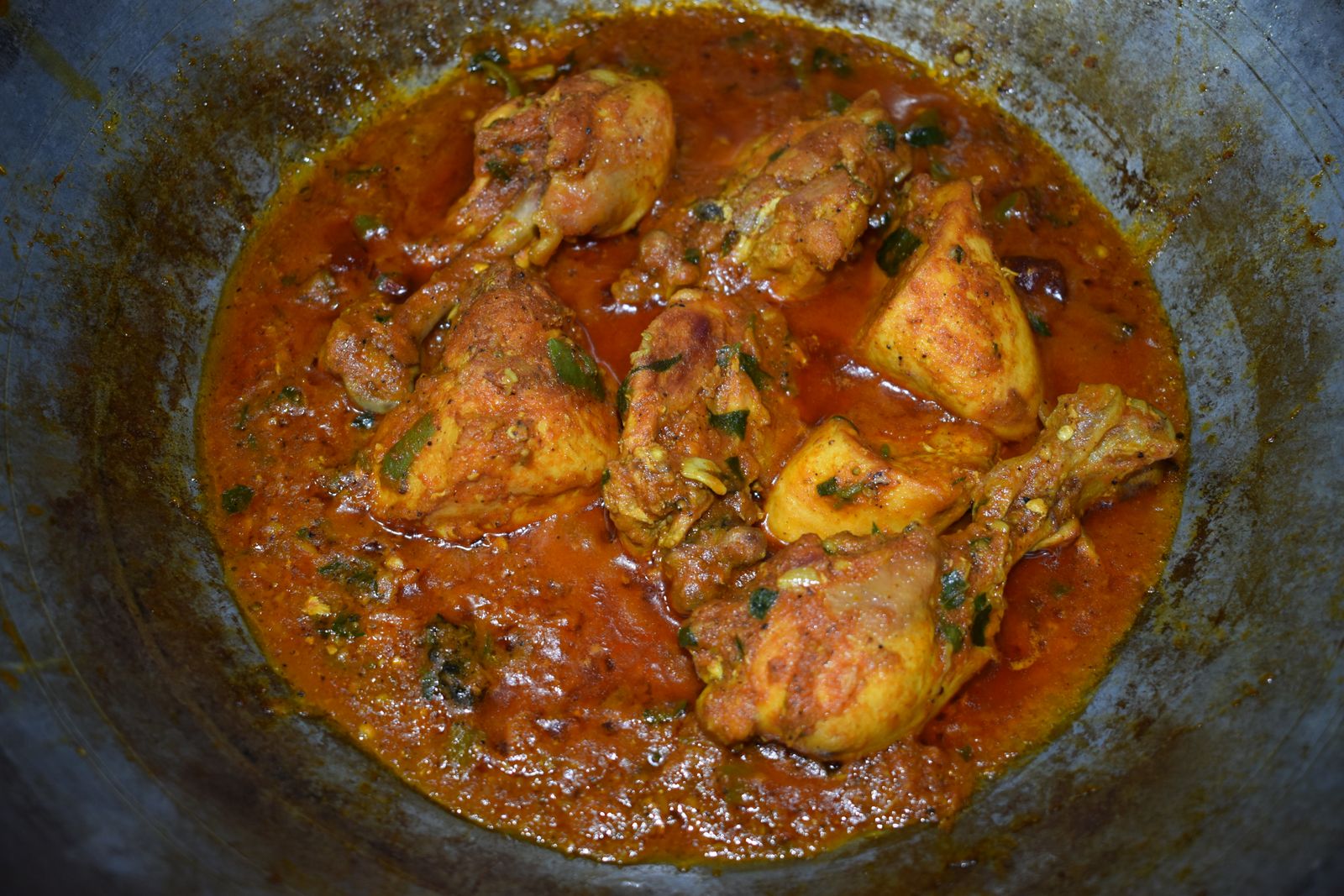
Kadai Chicken: The Restaurant Dish I Finally Made Better at Home

Also called Chicken Karahi · Kadhai Chicken · कड़ाही चिकन · چکن کڑاہی

Bone-in chicken in a deep onion-tomato gravy, built on a kadai masala you roast and grind yourself, and finished with crisp peppers and a generous handful of kasuri methi. Every step comes with the science of why it works.

Active
1 hr 20 min
Marinate
2 hrs
Total
3 hr 20 min
Serves
4–6
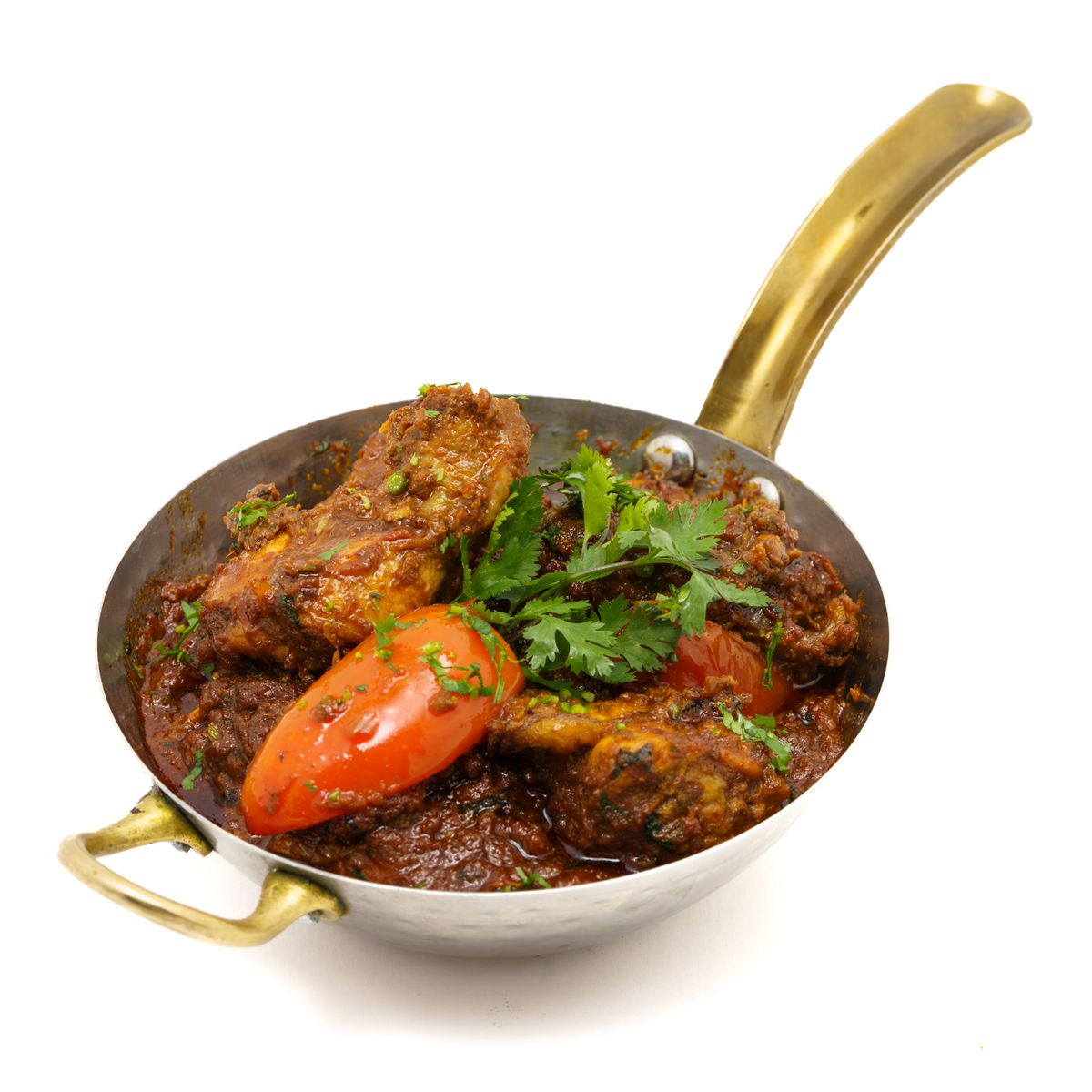
Kadai chicken: bone-in chicken pieces in a rich red tomato-onion gravy, served in a dark pan

Photo: Pexels

Why this recipe works

  • ✓
    Fresh-roasted kadai masalaWhole spices roasted and ground right before cooking, for an aroma a jar can't match.
  • ✓
    Low-and-slow onionsFour onions browned into a naturally thick, sweet-savory base, with no cream needed.
  • ✓
    Spices bloomed in fatThe masala hits hot oil, which pulls out flavor that water alone can't.
  • ✓
    Crisp peppers, cooked separatelyCapsicum tossed hot in ghee and folded in at the end, the way restaurants do it.

From restaurant craving to my own kitchen

I grew up in a Desi household in the US, where we ate the everyday dishes my parents cooked at home. They made wonderful chicken, but kadai chicken was never part of the rotation. It was a dish I only knew from restaurants.

After I got married, eating out became part of everyday life, and that's when I fell in love with kadai chicken. In New Jersey it was everywhere: nearly every Indian restaurant had its own version, and a great one was never far away.

Then we moved somewhere remote. None of the Indian restaurants nearby came close to the flavor I was used to. The nearest good one was four to five hours away, and the best were farther still. What had been an easy order became a craving I couldn't shake.

So I decided to make it myself, and to do it with intention. Instead of guessing, I turned to food science: why whole spices are roasted before grinding, why the masala needs hot fat, why the peppers get their own pan, and why the pot stays uncovered.

The first time I made it, I was genuinely surprised. It tasted better than most of the kadai chicken I'd ever ordered. That's when I knew I'd gotten it right, and it's where MedRise Food Science began.
What is kadai chicken?

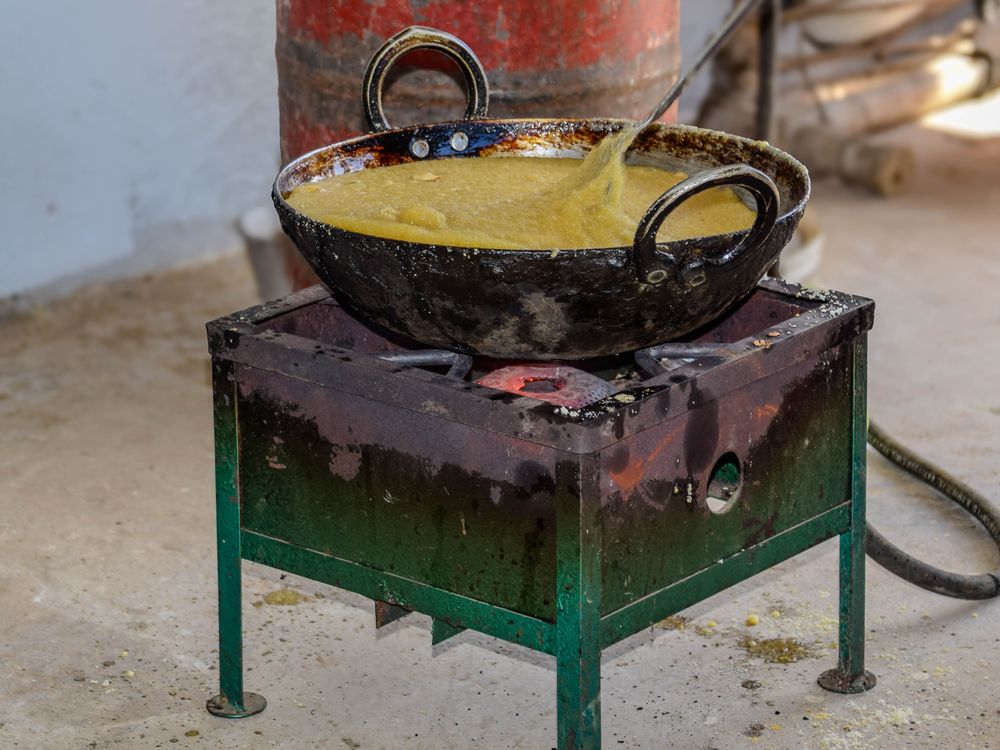
Kadai chicken (also written kadhai chicken, and called chicken karahi in Pakistan) is named after the pan it's cooked in: the kadai or karahi, a deep, round-bottomed pan with two handles. The style is popular across North India and Pakistan.

Regional versions vary. Many Pakistani karahis are tomato-forward and skip bell peppers, while North Indian kadai chicken is defined by a freshly ground kadai masala (coriander-heavy) and chunky capsicum. This recipe is the North Indian style.

A deep cast-iron kadai (karahi) pan with two handles on a stove

Meet the ingredients

New to Indian cooking? Here’s every ingredient you’ll need, with its Hindi and Urdu names so you can find it at an Indian or Pakistani grocery store, plus what it’s doing in the dish.

A deep cast-iron kadai (karahi) pan with two handles on a stove

Kadai (karahi)

कड़ाहीکڑاہی
kaṛāhī

A deep, round-bottomed pan with two handles, like a heavier, deeper wok. Usually cast iron or steel.

Its job: The dish is named after it. Its wide, sloped sides let steam escape fast, so the gravy reduces instead of stewing. A wok, Dutch oven or wide heavy skillet also works.
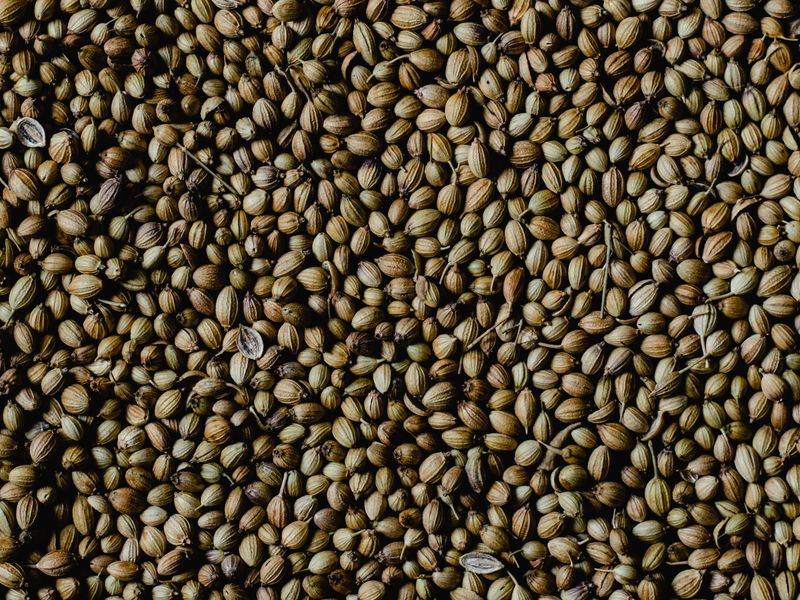
Close-up of whole dried coriander seeds: small, round and tan with fine ridges

Coriander seeds

साबुत धनियाثابت دھنیا
sābut dhaniyā

The dried seeds of the cilantro plant: small, round, tan and ridged. Warm, citrusy and floral.

Its job: The backbone of kadai masala. Buy them whole, not ground; Indian grocers sell large bags cheaply.
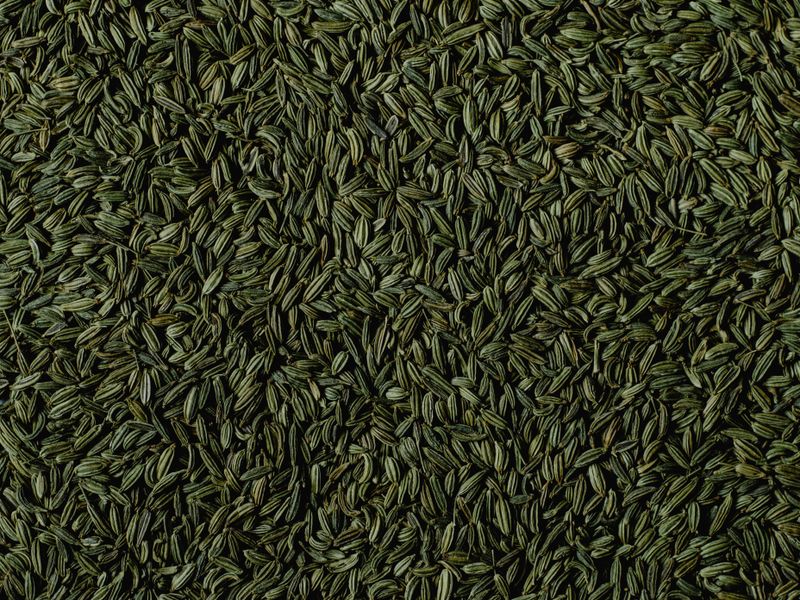
Close-up of green-tan fennel seeds, oval and ridged

Fennel seeds

सौंफسونف
saunf

Oval, ridged, green-tan seeds with a sweet, licorice-like taste.

Its job: Adds a gentle sweetness that rounds out the heat. Don't confuse them with cumin, which is darker, thinner and earthier.
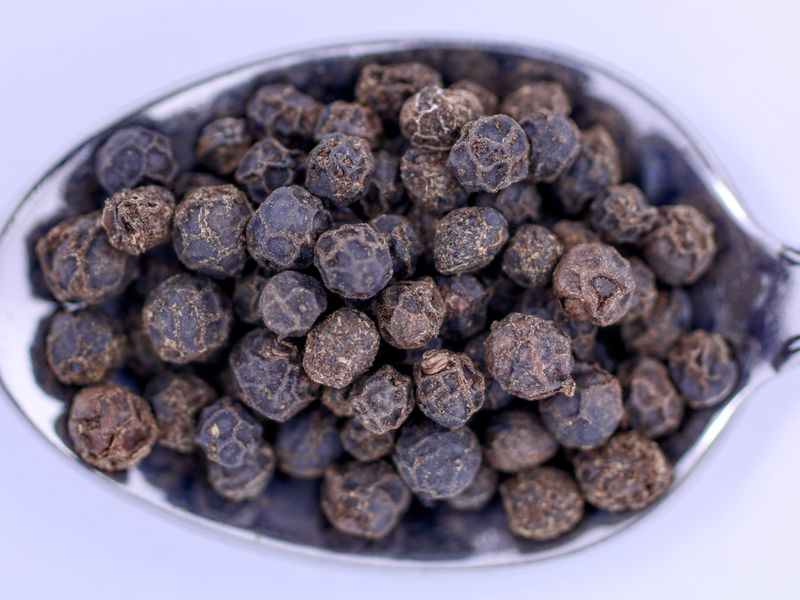
A bowl of whole black peppercorns

Black peppercorns

काली मिर्चکالی مرچ
kālī mirch

The dried berries of the pepper vine.

Its job: A sharp, lingering bite. It comes from a compound called piperine, a different kind of heat from chili.
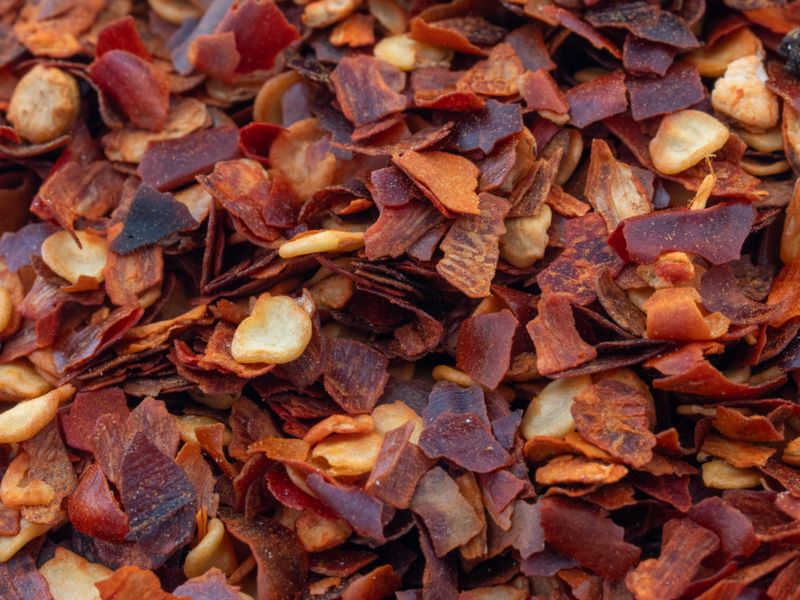
Crushed red pepper flakes with their seeds

Crushed red pepper

कुटी लाल मिर्चکٹی لال مرچ
kuṭī lāl mirch

Dried red chilies crushed into flakes, seeds and all. The same flakes you shake on pizza.

Its job: Heat, from capsaicin. This is the one to adjust: use less for a milder dish.
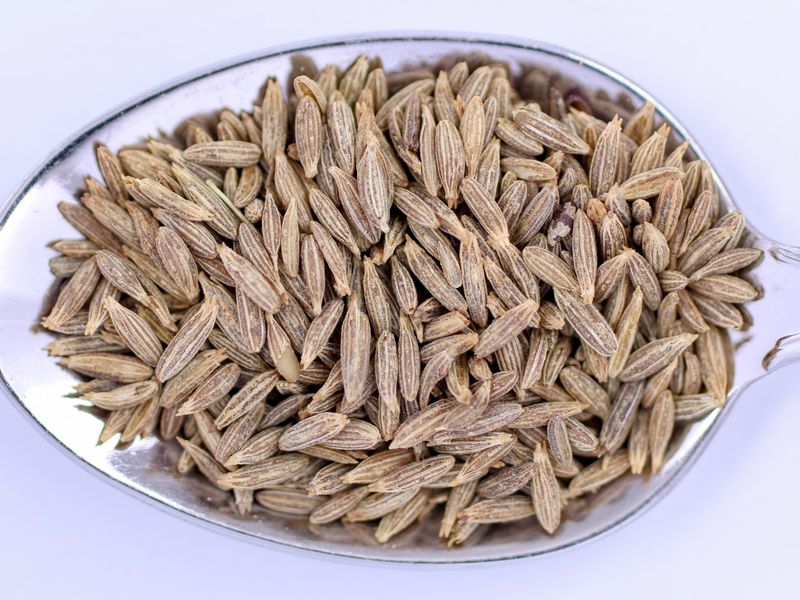
A plate of thin, ridged brown cumin seeds

Cumin seeds

जीराزیرہ
jīrā · zīra

Thin, ridged, brown seeds with an earthy, warm aroma.

Its job: The first thing into the hot oil, so it flavors the oil that everything else cooks in.
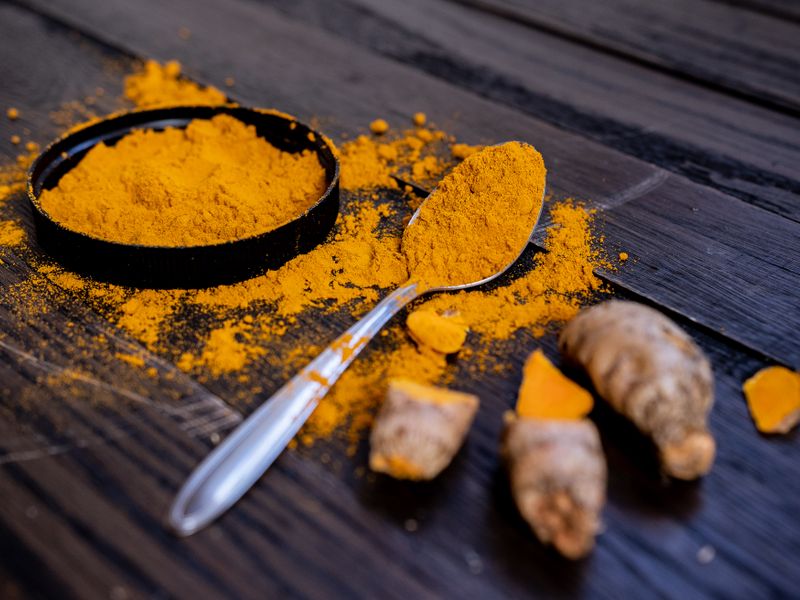
Ground turmeric in a bowl and spoon, with fresh turmeric root

Turmeric

हल्दीہلدی
haldī

A bright yellow-orange powder ground from dried turmeric root.

Its job: Golden color and an earthy, gently bitter warmth. It goes into the hot oil with the masala, because its color compound dissolves in fat.
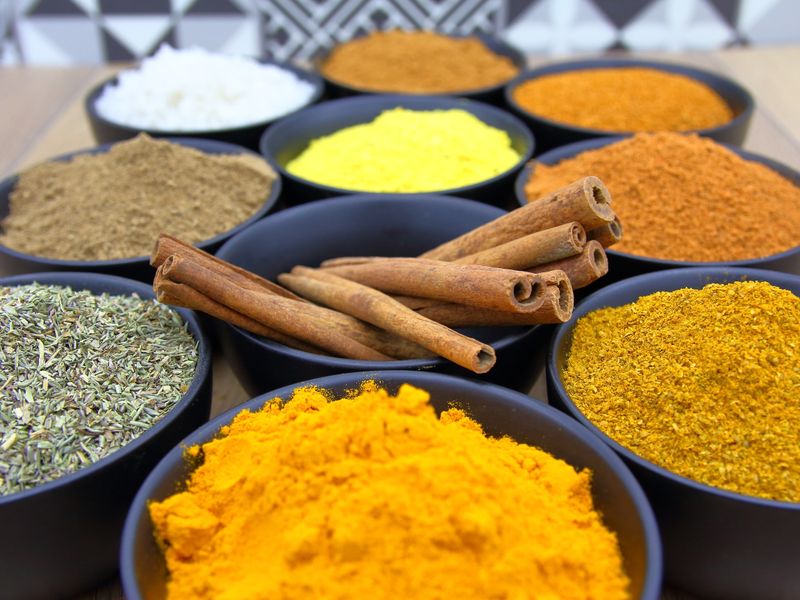
Bowls of Indian spices with cinnamon sticks, the warm spices that go into garam masala

Garam masala

गरम मसालाگرم مصالحہ
garam masālā

A ground blend of “warming” spices, commonly cinnamon, cardamom, cloves, black pepper and cumin.

Its job: An aromatic finishing touch. Look for it in any Indian grocery or a supermarket's spice aisle.
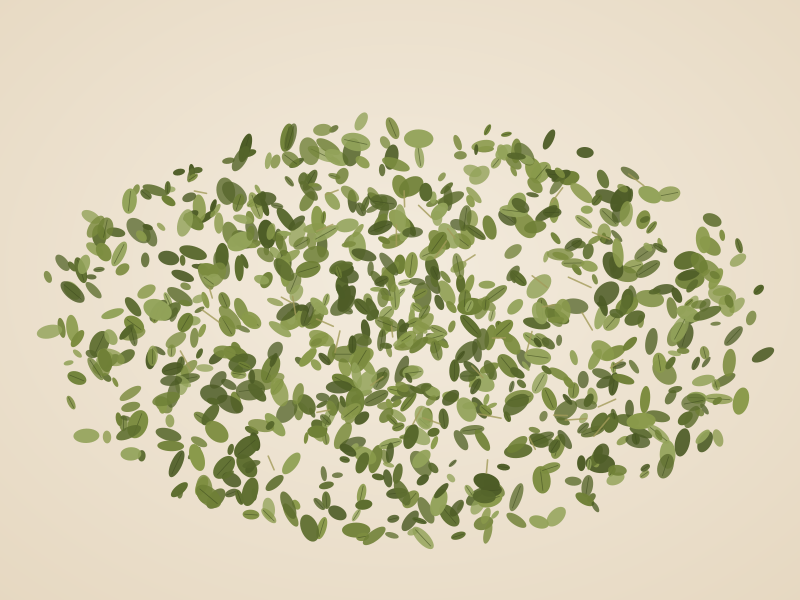
Illustration of crumbled dried fenugreek leaves (kasuri methi)

Kasuri methi

कसूरी मेथीقصوری میتھی
kasūrī methī

Dried fenugreek leaves, named after Kasur in Pakistani Punjab, a region famous for growing them. Sold in small boxes at Indian and Pakistani grocers.

Its job: The aroma most people recognize as restaurant kadai chicken. Crush it between your palms and stir it in at the end. Don't swap in fenugreek seeds, which taste very different.
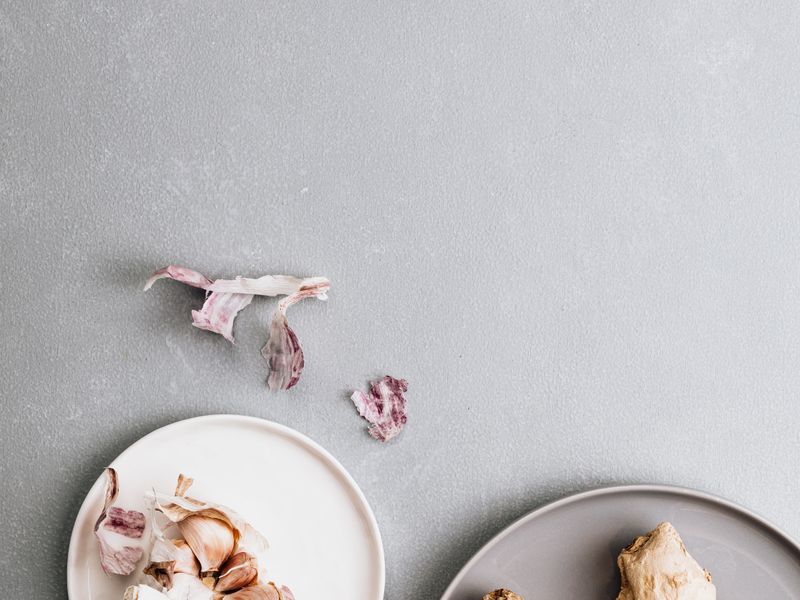
Fresh ginger root and garlic cloves on small plates

Ginger-garlic paste

अदरक लहसुन पेस्टادرک لہسن پیسٹ
adrak lahsun

Fresh ginger and garlic ground together into a paste.

Its job: The pungent aromatic base. Buy it in a jar, or blend equal parts peeled ginger and garlic with a splash of water.
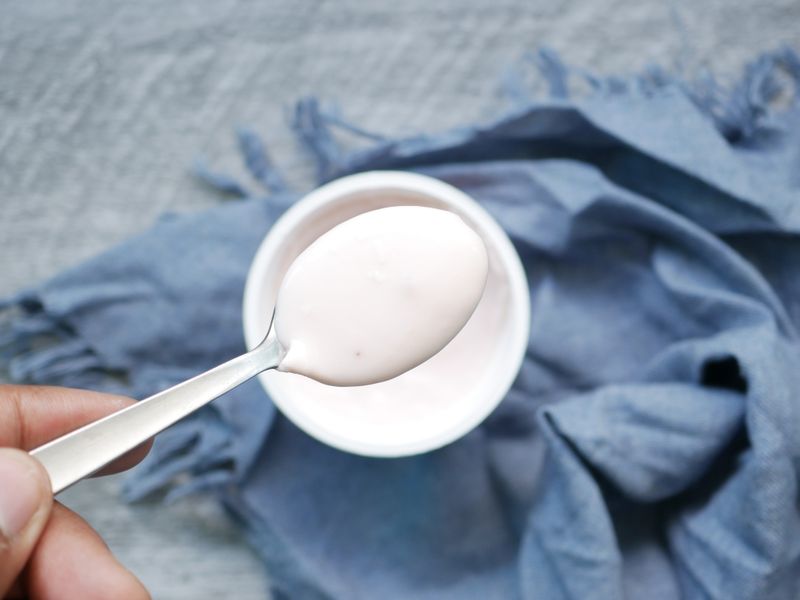
A small bowl of plain white yogurt with a spoon

Yogurt

दहीدہی
dahī

Plain, unsweetened yogurt.

Its job: The tangy, tenderizing base of the marinade. Plain whole-milk yogurt is classic; thin Greek yogurt with a little water.
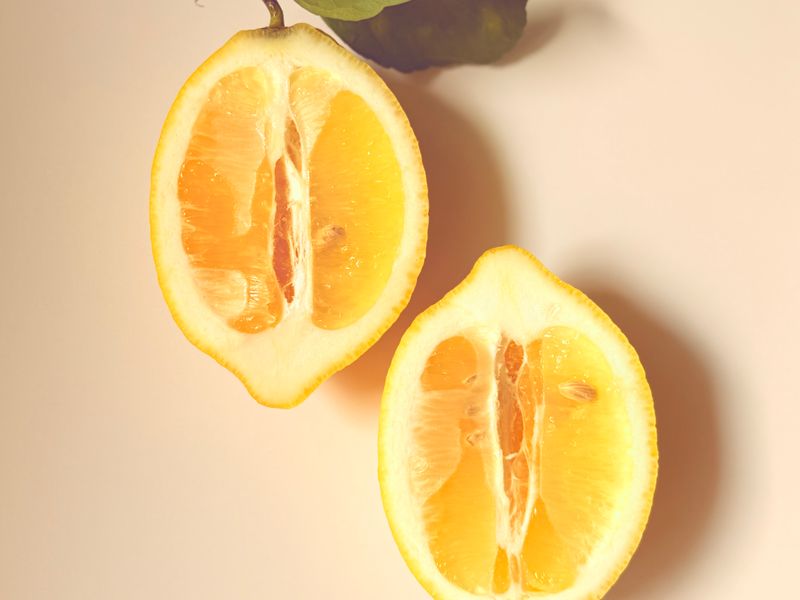
A lemon cut in half

Lemon

नींबूلیموں
nīmbū · lēmūn

Fresh lemon juice.

Its job: A hit of bright acid in the marinade.
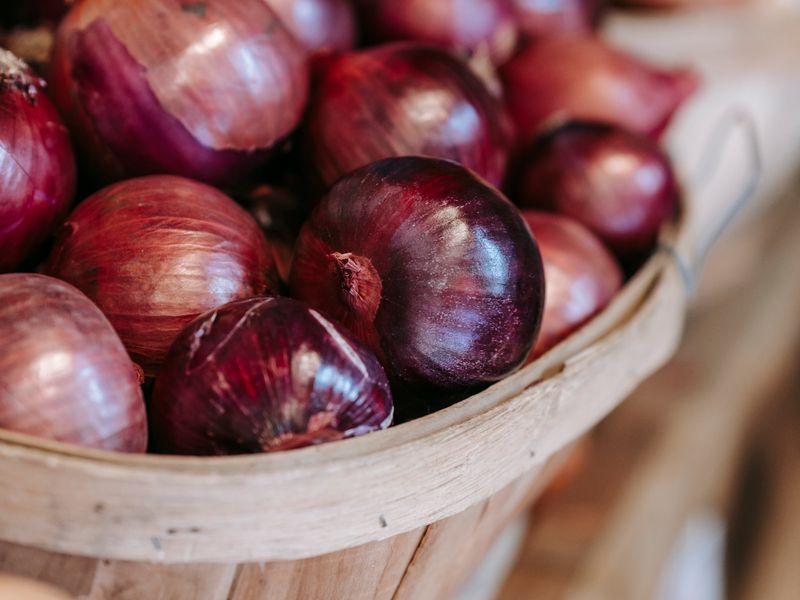
A basket of whole red onions

Onion

प्याज़پیاز
pyāz

Red or yellow onions both work.

Its job: Four of them cook down into the body of the gravy. A second onion, cut in big chunks, goes in the crisp finish.
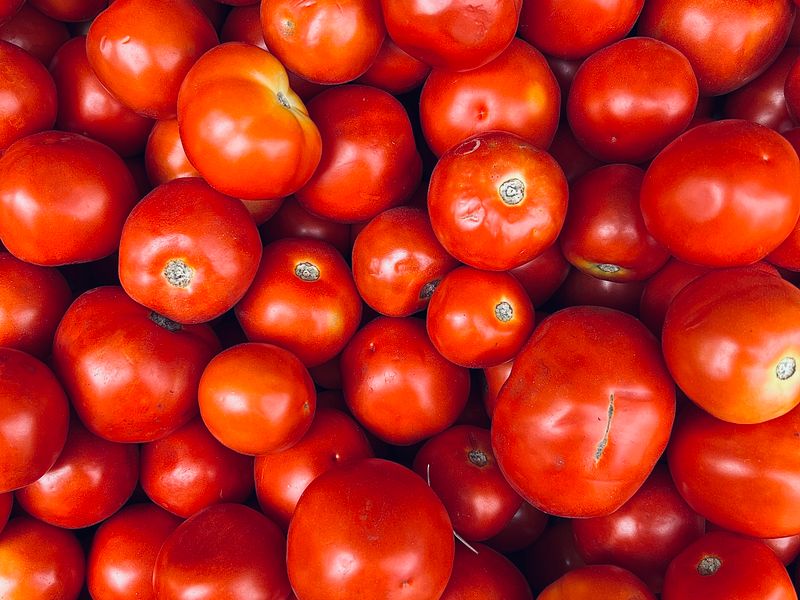
A pile of ripe red tomatoes

Tomato

टमाटरٹماٹر
ṭamāṭar

Ripe, red tomatoes.

Its job: Tang and body. They're boiled, peeled and pureed for a silky gravy.
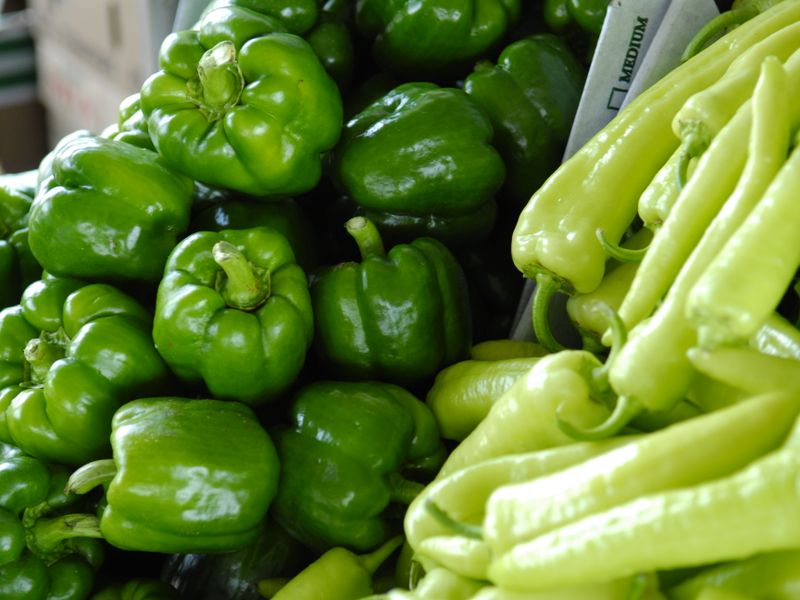
Green bell peppers (capsicum) next to long green chilies

Capsicum (bell pepper)

शिमला मिर्चشملہ مرچ
shimlā mirch

“Capsicum” is what bell peppers are called in India and Pakistan. Green is the classic choice for kadai dishes.

Its job: Crunch, color and a fresh, grassy note. They're cooked separately and added at the end.
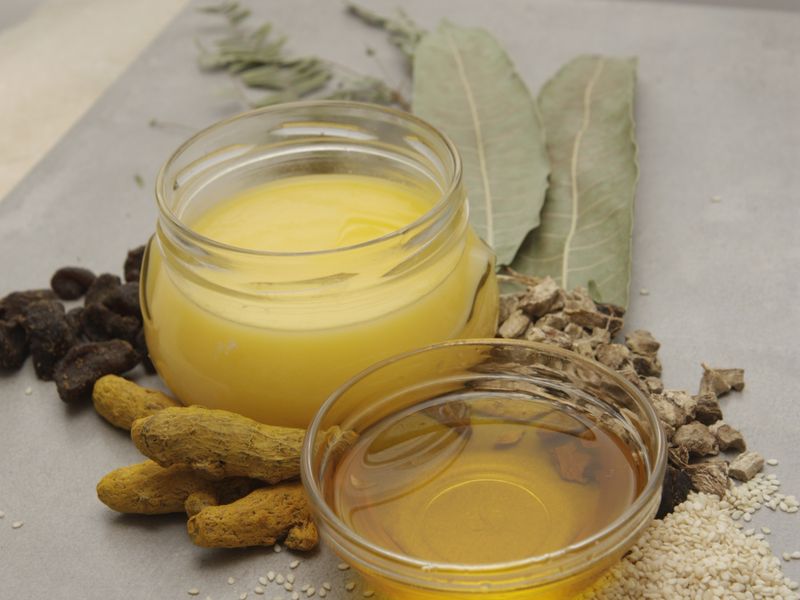
Golden ghee (clarified butter) in a glass jar and bowl

Desi ghee

देसी घीدیسی گھی
desī ghī

Clarified butter: butter simmered until its water cooks off and the milk solids are strained out.

Its job: A nutty flavor, and it handles high heat better than butter. Sold in jars at Indian grocers and most US supermarkets.
The lab notes

The science behind every step

Restaurant cooks do these things by habit. Here’s what each step is actually doing to the food, so you can cook by understanding instead of guesswork.

Lab note01

Roast whole, then grind

Dry-roast the coriander, fennel, peppercorns and chili flakes until fragrant, cool them, then grind.

Whole seeds keep their aromatic oils locked inside their cells. Gentle dry heat drives off moisture and makes the seed walls brittle, so the oils are released, and light browning creates new toasty, nutty flavor compounds through Maillard-type reactions. Grinding breaks the cells open, and from then on the aroma starts escaping into the air. That's why a masala ground today beats one ground months ago in a factory. Let the seeds cool first, because heat during grinding drives off the very oils you just woke up.

Lab note02

Every spice has a job

Coriander leads, with fennel, pepper and chili in support.

Coriander's citrusy, floral notes come largely from linalool. Fennel's sweetness comes from anethole, the same compound behind anise's licorice taste. Black pepper's bite is piperine and chili's burn is capsaicin. Two different kinds of heat, balanced by fennel's sweetness, are what make kadai masala taste layered rather than just hot.

Lab note03

A gentle marinade

Two hours in yogurt, salt, pepper, lemon and a little garam masala.

Salt dissolves some of the proteins near the surface of the meat, which helps it hold on to moisture as it cooks. Yogurt's lactic acid is mild and works slowly, so it loosens surface proteins without turning the chicken mushy the way long soaks in strong acid can. Food scientists such as Harold McGee have suggested that yogurt's calcium may also help switch on the meat's own tenderizing enzymes, though that effect is still debated. Marinades mainly act on the surface, so two hours is plenty for flavor.

Lab note04

Brown the onions low and slow

Four onions with cumin seeds and ginger-garlic paste, cooked until deep golden.

As onions cook, their sugars caramelize and react with amino acids (the Maillard reaction), producing hundreds of savory-sweet flavor compounds. Patience matters: high heat scorches the outside before the inside softens. Four onions break down into the natural thickener of the gravy, and cooking the ginger-garlic paste along with them mellows its raw sharpness.

Lab note05

Bloom the masala in fat

Add half the kadai masala and the turmeric to the onions and oil and stir for a minute.

Most of the flavor compounds in spices dissolve in fat, not water. In a lab test, America's Test Kitchen found chili flakes infused in oil carried more than twice the capsaicin of flakes infused in water, and thyme carried about ten times more of its key flavor compound. Turmeric makes the point visibly: its color and flavor compound, curcumin, barely dissolves in water but dissolves readily in fat, which is why it goes into the oil and not the tomato puree. Adding the ground masala on top of the onions, which still hold some moisture, keeps it from scorching in the few seconds that ground spices can burn.

Lab note06

Peel the tomatoes, then cook out the water

Boil the tomatoes until the skins soften, peel, puree, and cook until the oil separates.

Heat loosens the layer that holds the skin to the flesh, so the skin slips right off, giving a silky gravy without papery curls. When the puree has cooked long enough for most of its water to evaporate, the oil can no longer stay mixed in and pools at the edges. That oil separating is the visual cue cooks use to know the base is done.

Lab note07

Cook uncovered

The chicken simmers with no lid until cooked through.

A lid traps steam, which condenses and drips back into the pot, diluting the gravy and steaming rather than concentrating the flavor. Uncovered, water evaporates steadily, so the sauce thickens and clings. Bone-in pieces add body as their connective tissue releases gelatin. For safety, chicken is done at 165°F (74°C) in the thickest part.

Lab note08

Crisp peppers in a separate pan

Toss the capsicum and onion chunks in ghee over high heat for 2–3 minutes, then fold them in at the end.

Brief, intense heat cooks the surface while the pepper's cell walls stay mostly intact, so you keep the crunch. Long simmering in an acidic tomato gravy would soften the peppers and turn their bright green dull and olive-colored, because chlorophyll breaks down with heat and acid. Ghee has had its milk solids removed, the part of butter that burns first, so it can take the high heat and adds a nutty flavor.

Lab note09

Kasuri methi and garam masala go in last

Crush 3 tbsp of kasuri methi between your palms and stir it in with a final sprinkle of garam masala.

Both get their character from volatile aroma compounds, which escape into the air the longer they cook. Fenugreek's signature scent comes largely from a compound called sotolon, which smells like maple syrup or burnt sugar. Crushing the dried leaves breaks them open, so that aroma goes straight into the hot gravy at the end instead of fading on the stove. Three tablespoons is generous on purpose: it's what gives this version its unmistakable restaurant-style aroma.

How to make it, at a glance

  1. Roast the masalaIn a dry pan over low–medium heat, roast the coriander seeds, fennel seeds, black peppercorns and crushed red pepper for 2–3 minutes, stirring constantly, until fragrant and a shade darker. Let cool completely, then grind to a powder.
  2. Marinate the chickenMix the chicken with the yogurt, salt, black pepper, lemon juice and garam masala. Cover and refrigerate for 2 hours.
  3. Prep the tomatoesWhile the chicken marinates, cut the tomatoes in half and boil them for 5–8 minutes, until the skins soften. Peel off the skins and blend the tomatoes into a smooth puree.
  4. Brown the onionsHeat the oil in a kadai or heavy pot over medium heat. Add the cumin seeds, then the onions and the ginger-garlic paste. Cook, stirring often, until deep golden, 15–20 minutes.
  5. Bloom the masalaAdd about half of the kadai masala and the turmeric and stir for 1 minute.
  6. Cook down the tomatoesAdd the tomato puree and cook, stirring, until thick and the oil separates at the edges, 8–10 minutes.
  7. Cook the chickenAdd the marinated chicken and cook uncovered over medium heat, stirring now and then, for 25–35 minutes, until the thickest piece reads 165°F (74°C) near the bone.
  8. Make the capsicum finishMeanwhile, heat the ghee in a separate pan over high heat. Add the capsicum and onion cubes with 1–2 tsp of kadai masala and toss for 2–3 minutes, until bright and still crisp. Set aside.
  9. Add the kasuri methiCrush the kasuri methi between your palms over the pot and stir it in with the garam masala. Simmer for 1–2 minutes, then taste and adjust the salt and pepper.
  10. Finish and serveStir in the capsicum mix and serve hot with naan, roti or basmati rice.

Exact amounts and timings are in the recipe card below.

Questions, answered

Is kadai chicken the same as chicken karahi?

Yes, it's the same name. Kadai and karahi are two spellings of the pan the dish is cooked in. Styles differ by region, though: Pakistani karahi is often tomato-forward without bell peppers, while North Indian kadai chicken, like this one, uses a coriander-based kadai masala and capsicum.

Can I use store-bought kadai masala?

You can, but fresh-roasted masala is the biggest single upgrade in this recipe. Ground spices lose aroma quickly once their cells are broken open, and a freshly ground batch takes about five minutes.

Why is my gravy watery?

Usually there are two causes: the pot was covered, or the tomato puree wasn't cooked until the oil separated. Keep cooking uncovered over medium heat until the sauce clings to the chicken.

Why cook the peppers separately?

Simmered in the gravy, peppers go soft and turn olive-green. A quick, hot toss in ghee keeps them crisp and bright, which is the signature restaurant texture.

What is kasuri methi, and can I skip it?

Kasuri methi is dried fenugreek leaves, sold in small boxes at Indian and Pakistani grocery stores. You can skip it, but it's the aroma most people associate with restaurant kadai chicken, and nothing else tastes quite like it. Don't substitute fenugreek seeds, which are far more bitter.

How do I make it less spicy?

Cut the crushed red pepper in the masala to 1–2 tsp. The black pepper and fennel still carry plenty of flavor.

What should I serve with kadai chicken?

Naan, roti or paratha to scoop up the gravy, or plain basmati rice. Sliced raw onion with a squeeze of lemon is the classic side.

About MedRise Food Science

Desi restaurant favorites, recreated at home and explained with food science: every recipe is tested in a home kitchen and comes with the why behind each step.

Sources & further reading